Content Finder
There is a great deal of information available on the internet about deafness. We have collected a range of the key subjects parents told us were important to them - and you can check these out right here. Just use the drop-down filters to help focus on what interests you and we will feed in the relevant content.
Just found out your child is deaf or hard of hearing?
Being told your child has a hearing loss can feel overwhelming. You’re not alone in this journey. In fact, 90% of deaf children are born to hearing parents. Flying Colours understands the emotional and practical challenges of navigating a new world of diagnoses, appointments, and decisions. That’s why we’ve created the Early Diagnosis Booklet, a heartfelt resource designed with you in mind.
My Story, Growing up Deaf - Imogen
Say hello to Imogen - Animal enthusiast, social butterfly and competitive athlete shares her story about growing up deaf.
First Signs - baby sign language
At around four to seven months of age, in the same way hearing babies begin to babble vocally, babies acquiring sign language begin to babble on their hands.
Our Flying Colours Champions
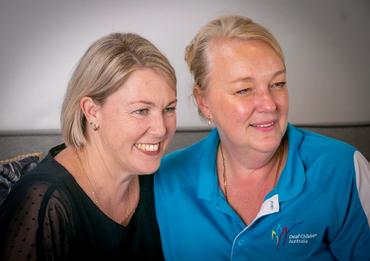
We are developing a team of Flying Colours Champions who can guide and mentor deaf and hard-of-hearing families in the community. Our Champions have a deep understanding of the issues, challenges and emotional impact of raising a DHH child, as seen on the Flying Colours website. Both Champions have lived experiences with a deaf child. Let's introduce you to Tamara Trinder-Scacco - based in Victoria and Stacey Johnson - based in Queensland. Stacey and Tamara are available to answer on-the-spot queries from families and provide guidance and mentoring.
My story, my career path - Jamie Hannah Lane
Jamie works as an employment consultant with Sign For Work at Deaf Children Australia. Jamie shares her experience growing up to inspire the new generation of deaf or hard of hearing young people to achieve their goals.
Karla - I am a Parent Mentor in Queensland
Meet Karla - a passionate, empathetic and caring parent mentor who draws on her lived experience as a parent raising a deaf child, to support other families.
Christine - I am a Parent Mentor in Queensland
Meet Christine- our newest Parent Mentor.
Karla - My son, our Story
Karla shares her family's story about navigating the early days of diagnosis and how valuable connecting with other parents raising a deaf or hard of hearing child was to their unique journey.
Christine - my family's journey
Christine shares her family's courageous journey navigating the complexities of raising a child with hearing loss and how that has strengthened their family unit.
In the news
Keep an eye out for interesting news articles here!
Emma and Darcy - our story
Darcy has a profound hearing loss - bilaterally.
Moana Lynn’s Story by Kyleigh... her mum.
Moana Lynn has severe to profound deafness because of a genetic factor: Connexin 26 mutation.
My Story, Growing up Deaf- Tayla Percy
Tayla is studying her Bachelors of Youth Work and aspires to be an advocate and role model to other Deaf people.
My Story, Growing up Deaf- Lachlan Johnson
'I'm extremely proud of my Hard of Hearing identity. I probably wouldn't be the mentally strong and confident person I am today without my hearing loss journey'.
Aleisha - my story as a mum in Queensland
Aleisha has two children, James who is 8 and Emelia who is 6. Emelia has a bilateral sensorineural mild to moderately severe loss.
About assistive listening devices.
Here, we’ll talk about sound amplification systems. These are often used in noisy environments, such as school classrooms, to help a child hear better.
About Platypus Playhouse
Check out the range of Platypus Playhouse resources- a range of tactile and visually splendid language building tools.
Hearing tests- what to expect, what to look out for
Routine hearing tests are recommended for children of all ages. In Australia, we have free hearing tests conducted on all newborns. However, as your child grows their ability to hear can change quickly and hearing loss can develop at any stage. Aim to be vigilant for any signs of hearing loss.
Hello from our Parent Mentors!
'When we met a Parent Mentor, for the first time since the diagnosis, I thought this is someone who really knows how overwhelmed you can feel'.
Early childhood development - building foundations...
A child’s early years are a critical period for communication, language, and social-emotional development and lay crucial foundations for future learning and forming of identity.
Discover more about Auslan
Auslan (Australian Sign Language) is central to a bimodal bilingual approach for your child. Find out more about Auslan below plus links to Auslan providers. You can find links to Auslan tutors on the 'Service Finder' page.
Early Childhood intervention can make a difference
Early intervention aims to give your child the best possible start in life by supporting them to develop vital communication skills. It should start as soon as possible after your child has been diagnosed with a hearing issue.
Fact checks
Here are some some facts and figures to help combat misinformation that can be found on the internet.
Shannon - my story as a mum
Shannon's youngest son was diagnosed at birth with mild to moderate bilateral sensor neural hearing loss and he was aided at 3 months old.
Early signing. Hints, links and more
Within weeks of birth, babies start discovering the patterns and rules of the language used around them. This is true whether that language is spoken or signed.
My Story, My Career Path - Nathan Borg (actor in Neighbours)
At 3 months old Nathan contracted bacterial Meningitis and as a result Nathan is profoundly deaf.
My Story, Growing up Deaf- Nicholas Layton
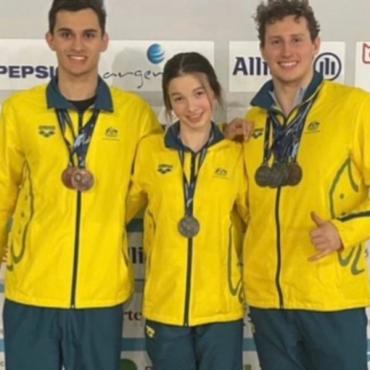
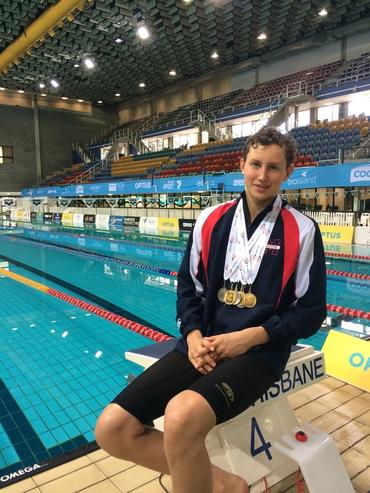
Meet Nicholas. He's in his final year of high-school and has a passion for art. His recent achievements include breaking Deaf World Records in swimming!
My story, my career path - Joshua Ker
Joshua is a disability employment consultant at DCA and Personal Trainer (on weekends!)
Hannah and Hayden - our story
Hayden has a bilateral, moderate, sensorineural hearing loss.
Stacey- my story as a mum raising a deaf child
Stacey is mum to three gorgeous children. Stacey's youngest daughter has a bilateral, sensorineural, moderate-to-severe hearing loss. This is the story of their journey.
Causes of deafness - a summary
If your child has been diagnosed with deafness, it’s understandable you’d like to know what caused it. The causes of hearing loss are divided into two categories – congenital and acquired.
Who do I need in my support team? Hints, links and more.
If you have a child who’s deaf or hard of hearing, it’s important to build a team around you who can support your journey. Your family are at the heart of that team, which will also include a range of health and education professionals.
Steps to starting your NDIS journey- Questions & Answers
There's a lot to consider when your child has been diagnosed with a hearing loss. When it comes to the NDIS, there may be extra matters to think about. We've spoken to parents about the common questions to ask when you first engage with the NDIS.
My Story, My Career Path- Victor Belousov
Victor is a Youth Support Worker at Deaf Children Australia and has achieved a Bachelors in Information Technology and Systems. In his spare time he loves to mountain bike and travel.
Bimodal bilingual choices.
One of the earliest choices you’ll need to make is how you’ll communicate with your child. Finding a form of communication everyone in your family can understand is very important. Your choice should reflect what’s best for your child and family.
Top Ten Burning Questions
When we created this website, Deaf Children Australia wanted to be sure we addressed what was most important to parents and caregivers of a child recently diagnosed as being deaf or hard of hearing. We published a survey inviting 500 participants and more than 70% of respondents were parents telling us what they most wanted to know, or worried about, when they first received their child’s diagnosis. Here are the top 10 responses we received, with some answers and links to other helpful resources.
My Story, my career path - Tamara Trinder-Scacco
Tamara is the Community Engagement Manager at Deaf Children Australia. She shares her story about living with hearing loss and how it's helped shape her journey.
Emma - I am a Parent Mentor in Victoria
Meet Emma, a parent mentor and mum raising a deaf child.
Stacey - I am a Parent Mentor in Queensland
Stacey is a Parent Mentor based in Queensland. She is a fierce advocate for her deaf daughter Grace and has been sharing her knowledge and experience with other parents of deaf and hard of hearing children for over 7 years.
Bianca - my story as a mum
Bianca is a mum raising a deaf child. She shares her and her family's story in hope that it will help other families raising a deaf or hard of hearing child, embrace their newfound life.
Communication in the family - some tips to help...
From the moment they’re born, every child is wired to explore their world and build relationships with people. To do this effectively, children need skills in language and communications.
Henry and Davie - our story
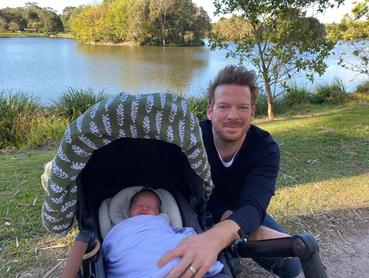
Davie has a “bilateral conductive hearing loss” to a profound level. Henry (father) tells us about navigating the early days as a family.
An invitation to join the Flying Colours Survey Collective
We ran a Flying Colours Survey earlier this year. The information we received from families with a deaf or hard of hearing child has been extremely helpful to us and made a tangible difference to our Flying Colours online resource. Are you interested in joining our Collective to help feedback what matters to you and your family, based on your lived experiences?
Jenna - my story as a mum
My daughter has profound bilateral sensorineural hearing loss.
Jodie - my story as a mum in Victoria
Jodie's daughter was nine and half years old when finally diagnosed.
Dr Elizabeth Levesque
Dr Liz Levesque has helped us develop some of the content for Flying Colours and Platypus Playhouse. Her insights have added very real value to our content.
Early intervention is a great way to start
Your child’s early years are a really important time for communication, language, and social-emotional development. This is your opportunity to lay crucial foundations for future learning and the forming of your child's identity.
Helpful links
Check out these links to organisations and communities.
First Diagnosis? Here are some tips on what to do next.
Receiving the news that your child is deaf or hard of hearing usually comes as a shock, especially since 90 percent of these children are born to hearing parents. For many such parents, their child is the first person they’ve met who is deaf or hard of hearing. This can make it hard to put the news into perspective. Here are some important steps to take now you’ve received your child’s diagnosis.
Deaf Sports Clubs
Here is a list of deaf friendly sports clubs. We would love to year your suggestions of Deaf Friendly Clubs, Community Activity Clubs in your area - just send us an email and we will add these to the list below. And thank you!
Types of deafness - a summary
Deafness and hearing loss are described in many ways. Here’s an overview of the types of hearing loss and some of the terms frequently used to talk about it.
Hearing aids - a brief summary
Hearing aids might be recommended to give your child the best chance of hearing what’s going on around them, especially speech.
Facebook Groups
Parents told us they would love to know more about the Facebook groups for the deaf and hard of hearing community - we have collected some here with a link, organisation or name, membership number and if this is a private or public group. We hope you find a group for you!
The Importance of Rich Childhood Experiences.
When families and communities collaborate in positive ways, a deaf child's capacity to achieve their learning potential is significantly enhanced.
15 Myth Busters!
As you navigate through this different world you will see, hear, read, unearth and discover varying views and perspectives. Here are some myths we have heard - and check out these busters!
- article
- All About Deafness
Family-Centered Practice in Early Intervention: A Comparison.
Early interventions programs should offer a wide range of services to cater to the diverse needs of families and encourage parents to be more involved.
The Effects of Vocabulary Intervention.
Building knowledge of word meanings is essential in developing reading comprehension skills. Both broad vocabulary knowledge – the number of words that are known – and depth of vocabulary knowledge – how well the words are known – are important.
Virtual- based learning: A new way of learning literacy?
In this study, research-based videos supplemented with research-based classroom activities and materials may help young deaf and hard of hearing children develop key literacy and language skills.
Universal Newborn Hearing Screening and Early Identification of Deafness.
Parents' responses to knowing early and their expectations of child communication development.
Assessing Social-Emotional Abilities of Infants.
Early intervention opportunities can help parents better understand their deaf or hard of hearing child's behaviour and teach parents how to promote their child's social and emotional development.
Education of the Deaf in Australia and Norway: A Comparative Study.
Greater use of sign language combined with social interaction strategies are could benefit deaf and hard of hearing students feel included.
Acquiring Auslan as a First Language.
At around four to seven months of age, in the same way hearing babies begin to babble vocally, babies acquiring sign language begin to babble on their hands.
Nurturing Language Development.
Children naturally engage with parents and caregivers in back-and-forth conversation, producing language interaction and joint attention, and this results in language development.
Children Who are Deaf and Hard of Hearing with an Autism Spectrum Disorder (ASD).
Assessment and intervention for ASD can require adapting or modifying the usual approaches to suit the needs of deaf and hard of hearing children.
Bilingual Bimodal approach to Language Acquisition.
Parents can help improve their child's language development by providing rich language experiences led by their child's language preferences.
Rethinking Literacy: Broadening opportunities for Visual Learners.
Literacy is not just reading, but includes the skills and knowledge needed for thinking, comprehending and communicating. Taking a broader approach to literacy opens the way for building on deaf and hard of hearing children’s strengths and potential as visual learners.
Parents using the Internet to Find Information.
Australian parents find the internet is a valuable addition to information provided by professionals.
Bilingual Programs: The Current State of Knowledge.
More research is needed, including studies reporting both reading and writing outcomes in sign bilingual programs.
Family- Centered Care and Early Intervention.
Making services more family- centered could help families enrol in early intervention more quickly.
Early Intervention Key to Improving Literacy Skills for Deaf Children.
There are great benefits for deaf children in having their parents read stories to them in sign language.
Language acquisition for deaf children: What linguists can do.
New evidence suggests that if children are exposed to a first language in the critical period of their first years, they may develop complete fluent use of any language.
A New discourse of Language Development in Deaf Children.
Children learning to communicate may benefit from using multiple modes of language- gestures, signs, spoken words and writing.
Enhancing Early Communication through Infant Sign Language.
With the right methods, it's possible to teach a baby as young as six months old to use a simple sign.
American Sign Language and Literacy: Exploring New Relationships.
Recent literature is suggesting that having a strong foundation in sign language will help in the development of English literacy skills.
Defending Deaf Culture: The Case of Cochlear Implants.
Deafness is recognised as a cultural identity rather than a disability.
Advantages of Early Visual Language.
It's a myth that sign language will hold back a deaf or hard of hearing child from developing spoken language. It has been shown that spoken language skills and English literacy actually increase as children learn more gestures and signs.
Children With Cochlear Implants: Changing Perspectives.
Deciding whether your child should receive cochlear implants is a challenging process for many parents. New research is changing perceptions about cochlear implants.
Beyond Early Intervention: Supports for School-Aged Children.
Improved intervention strategies for school-aged children with cochlear implants is needed to support learning.
Signing with Babies and Children: A summary of findings.
For infants and toddlers, signing can help develop language skills, expand vocabulary and improve reading skills.
Impact of Learning Environment on Children with a Cochlear Implant.
For children who have difficulty with interpreting and understanding speech, the listening environment could be improved to support their needs.
Best Practices in Family-Centered Early Intervention.
Family- Centered Early Intervention encourages active and enjoyable engagement to promote playful communicative interactions, family well-being and confidence in parenting and promoting your child's development.
Early signing in the home relates to literacy development.
Early language skills are important to developing literacy. Hearing parents as well as deaf parents can give their children early, consistent exposure to sign language to help them develop these skills.
- resource
- Research Insights
What do audiologists do?
Audiologists are highly qualified allied health professionals trained to assess, diagnose, and treat hearing loss.
What do early intervention specialists do?
Early intervention aims to give your child the best possible start in life by supporting them to develop vital communication skills. It should start as soon as possible after your child has been diagnosed with a hearing issue.
What does a speech pathologist do?
Speech pathologists (also sometimes called ‘speech-language pathologists’) are university-qualified allied health professionals who work with people experiencing communication difficulties.
Training Literacy Skills through Sign Language
Literacy skills can improve using specialised literacy training programs utilising sign language.
- resource
- Research Insights
What do occupational therapists do?
Occupational therapists are university-qualified allied health professionals who help people improve their everyday function.
What are special needs schools?
Australia has both government and independent specialist schools for children with complex educational needs, including children who are deaf or hard of hearing.
What do child psychologists do?
Psychologists are university-qualified health professionals trained to support people with their thoughts, feelings, behaviours and learning.
What is NDIS support coordination?
Under the NDIS, support coordination is about strengthening a participant’s ability to coordinate and use supports in their plan and participate more fully within their community. It should help you optimise your plan to make sure you’re getting the most from your funded supports.
What does early education mean?
Early childhood education and care services allow children to engage in play and learning opportunities with their peers before starting formal schooling.
Deafness and Diversity: Early Intervention
Advancing technology has provided children who are deaf or hard of hearing with additional needs, greater access to sound and language than ever before.
My child is deaf and has additional needs.
It’s estimated up to 40% of children who are deaf or hard of hearing have additional needs. These can be related to health, social and/or educational development. The accepted term when referring to deaf and hard of hearing children with additional needs is 'deaf plus'.
My story, my career path - Brent Rogers
Brent is an employment consultant. He enjoys reading and is passionate about teaching Auslan.
My story, my career path - Laura Sampson
Laura is an NDIS Support Coordinator. She has a passion for working with families and helping children reach their potential.
My story, my career path - Jules Batstone
Jules works full time and is a Senior Producer for Pollen, an award winning digital agency. He is deaf in one ear.
My story, my career path - Melonie Harpham
Melonie is a Sign For Work Employment Consultant. Her journey with hearing loss began when she was 5 years old.
Cochlear Implant Access in Six Developed Countries
Newborn hearing screening and the system of healthcare reimbursement contributes to Australia's high number of cochlear implant usage.
Australian Aboriginal Deaf People and Aboriginal Sign Language.
Supporting local signed languages in important for community communication.
Common Questions and Informed Evidence-based Answers.
Learning sign language together can be one of the strongest bonding experiences that the family and a deaf or hard of hearing child have.
The Impact of Childhood Hearing Loss on the Family..
Parenting a deaf or hard of hearing child can be challenging, but there are ways to cope and manage with this stress including family- centered support programs.
Principles and Guidelines for Early Intervention.
Once it has been confirmed that your baby or child is deaf or hard of hearing, early intervention is important.
Discovering Predictors to Successful Outcomes for Deaf or Hard of Hearing Children.
Early identification and intervention can lead to positive outcomes in age-appropriate language skills for deaf and hard of hearing children.
Support for parents of deaf children.
Common Questions and Informed, Evidence- Based Answers.
Interventions on parenting styles: a literature review.
Hearing parents can benefit from programs which boost their confidence in being able to raise a deaf or hard of hearing child.
All about cochlear implants
Cochlear implants might be an option if your child has permanent severe or profound hearing loss or has had limited success with hearing aids. Here’s some information to help you understand what they are, how they work, and whether your child might benefit from them.
About hearing loss - a summary
If your child has recently been diagnosed as being deaf or hard of hearing, you’ll hear a lot of new terminology that may sound confusing and even a little intimidating. It helps to understand a bit more about hearing loss, and the terms hearing professionals use to talk about it.
Choosing a school? Ask the right questions.
Let’s face it—school is a big part of life for kids and young people. You’ll want to find one where your child can flourish and be happy. Here’s some tips for choosing a school that’s a good fit for your child and family.
Meet ups - all about our deaf family groups
The POD Support Network (POD) is running a series of exciting online events for parents, carers and children to engage, share experiences and have fun.
Social Support for Parents of Deaf Children.
This research highlights the important role of social support for hearing parents of deaf and hard of hearing children.
The Importance of Family Supports and Resources for Parents.
Building a support crew can be really valuable when you find out your child is deaf or hard of hearing.
Prevalence of Additional Disabilities with Deafness: a review of the Literature.
The extent to which deafness may be associated with other disorders has received less attention and the few published estimates vary widely. This paper covers analysis done in the UK.
Listen Hear! The Economic Impact and Cost of Hearing Loss in Australia.
A study that looks at the economic impact, causes, prevalence, assessment, health and other social costs, impact on individual lives, educational requirements, medical and social care of deaf children and adults.
Parents with lived experience raising Deaf Plus children.
The acceptable term referring to deaf or hard of hearing children with additional needs is deaf plus.
Deafness and Attention in Deaf Children
Mothers play an integral role in the early years of their child's development.